


Pinterest can be an aesthetic, mysterious abyss, especially for wedding stationers. You create some pins for that ✨gorgeous✨ letterpress suite you’re so proud of, sit down to write the titles and descriptions, and… immediately second-guess everything.
WTF am I supposed to write?
Is “wedding invitation” too generic?
Is anyone going to see this?
You finally publish and casually refresh your analytics twenty times. Nothing. Except maybe a save from a stranger named Alyssa who only pins to a board called “random 🦄”.
Thanks for the love, Alyssa.

Meanwhile, your dream couple is out there pinning away, blissfully unaware you exist.
The good news? Getting found on Pinterest (and getting booked) is wayyy less mysterious than it feels right now. There’s a specific path your dream couple takes from finding your pin to filling out your inquiry form. Once you learn it, things get a heck of a lot easier.
Let me break it down.
📌 But first, pin these ideas for later!
Why Pinterest Works for Wedding Stationers
Pinterest may look like social media, but it works very differently. Couples planning a wedding on Pinterest aren’t doom scrolling. They’re using it as a search engine to find their dream invitations. They’re typing in terms like old money wedding invites or garden party wedding invitations. Showing up where they’re actively searching is how you get inquiries like this:
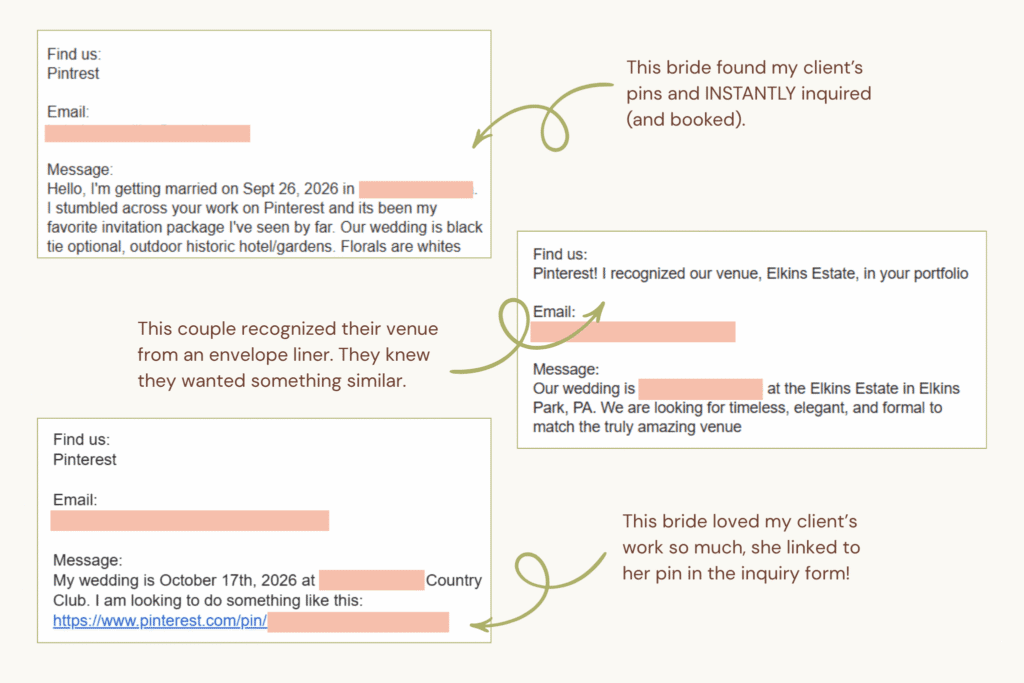
These are just some of the inquiries that one of my wedding stationer clients got this past quarter. (Learn more about their Pinterest success story.) These couples had a vision in mind, searched for it, found my client’s work, and inquired.
It wasn’t an accident that they found my client. It was strategy, SEO, and a strong funnel. What’s does the Pinterest funnel look like? Funny you ask…
The Pinterest Funnel for Wedding Stationers
You may already know what a marketing funnel is; but if you don’t, let’s quick review:
Picture an upside-down triangle. At the top, loadssss of couples. At the bottom, the few dream couples who actually inquire and book. When someone finds your content, they may or may not be ready to work with you. That’s where the funnel comes in. It’s how you take pinners from discovering your content to convincing them to work with you.
There are three stages, and each one is just as important for getting you booked.
Stage 1: Discovery (Top of Funnel)
This is where someone finds you. They type a term into the Pinterest search bar—usually something like garden wedding invitations or elegant stationary (😵💫 IYKYK)—and your pin shows up alongside a sea of others.
To win here, you need two things:
1. A Beautiful Pin
My recommendations based on what currently works:
- Vertical format (2:3 ratio)
- Professionally styled flat lay
- No text overlay
2. An Optimized Pin
A lot of stationers skip this part, but it’s CRAZY crucial to actually showing up on someone’s screen. Pinterest doesn’t automatically know what your pin is about unless you spell it out vErY cLeArLy.
If Pinterest doesn’t know what your pin is about, it can’t show it to the right person. To optimize your pin, you need to use descriptive keywords people are searching for.
Put those in your
- Pin title
- Pin description
- Board name
- Image file name
The more descriptive you can be, the better!
For further reading, learn how to find keywords and where to use them.
Stage 2: Consideration & Exploration (Middle of Funnel)
Okay, they found your pin and clicked! 🥳 They’re on your website now. Don’t waste this moment.
This is where stationers lose people. The pin sends them to a portfolio page that’s just images, or worse… the HOMEPAGE. They’ll look around for two seconds and then bounce when there’s no clear next step.
What you want instead: every pin should link to something with a clear next step. Ideally, that’s a blog post. For stationers, some of the things that work best:
💍 A real wedding blog post that shows not just the stationery, but how it fit into the overall wedding design.
💡 An educational blog post that answers questions about etiquette or timelines.
💌 Wedding invitation roundups of a certain style (e.g., My Favorite Letterpress Invitation Designs of [Year]).
📥 A free download that solves a problem and gets them on your email list.
The goal of this stage isn’t to close the sale. It’s to get them off Pinterest and into your world: your blog, your email list, your Instagram. Somewhere you can build trust for as long as it takes.
Stage 3: Conversion (Bottom of Funnel)
You’ve reached the good part: you built trust! They’re clicking around your blog. They’re following you on social media. Now what?
Now it’s up to you. 👏 Pinterest’s job ends at your website. Once they land there, it’s up to you to convert them. That means using well-structured blogs, an email sequence, a services page, a solid inquiry process, a discovery call. All those places are opportunities for conversions.
You could have the most beautiful pins on the platform, but if there’s nothing on your site to guide those couples to book you, they’ll leave. Pinterest fills the top of your funnel beautifully. However, it’ll all leak out the bottom if there’s nothing there to catch it. 🤷♀️
What Wedding Stationers Should Focus On
It’s totally normal if you’re feeling overwhelmed with all this. It’s a lot. If you’re just getting started, here’s where you should put your energy:
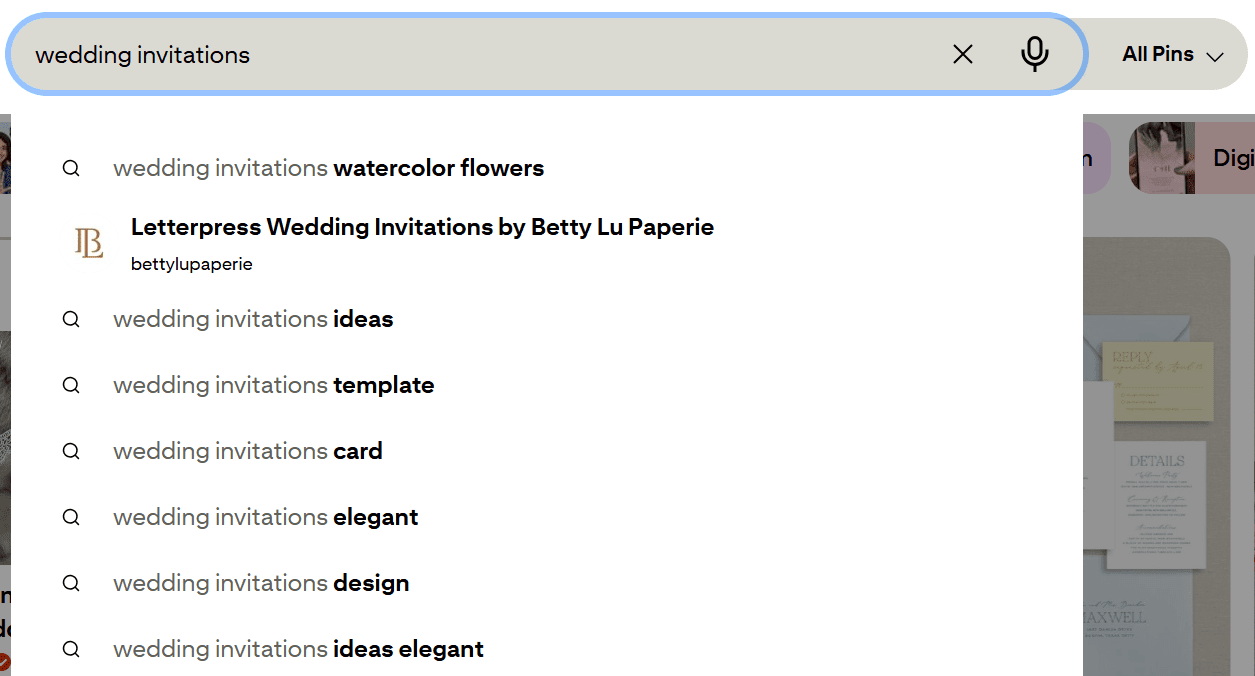
1. Research Keywords: Spend a little time in the Pinterest search bar typing in things your dream client would search. Watch the autosuggestions. Those are keywords. Build a list and use those exact phrases everywhere.
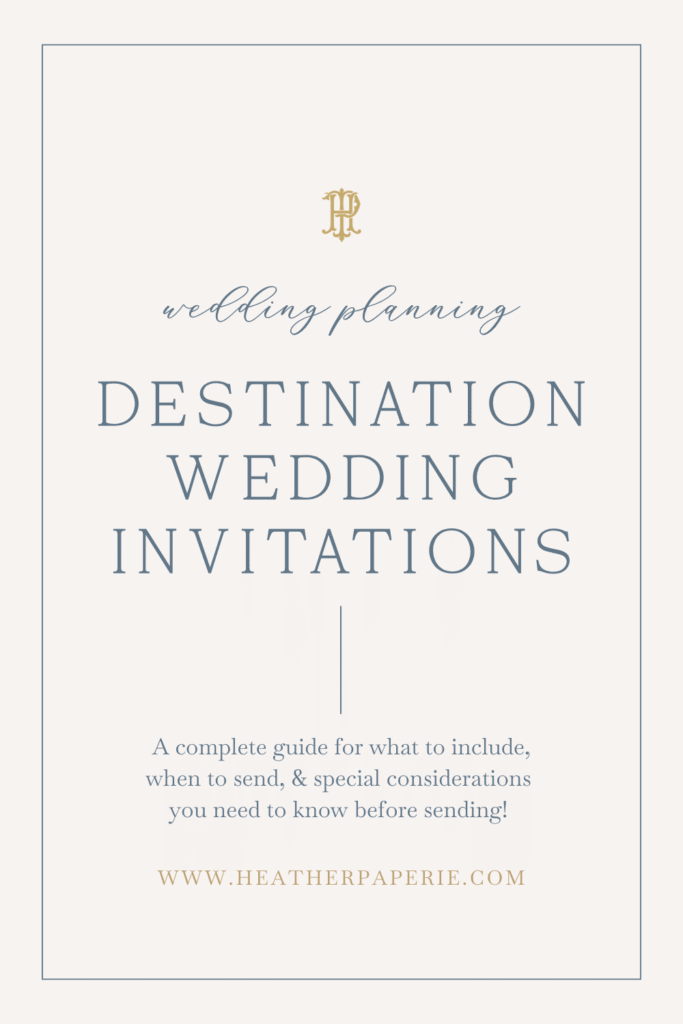
2. Create Several Pins Per Blog: You don’t have to pin hundreds of pins per blog post to get found (though it will help, and I can do it for you). Make around 10-20 pins per post, and schedule them out.
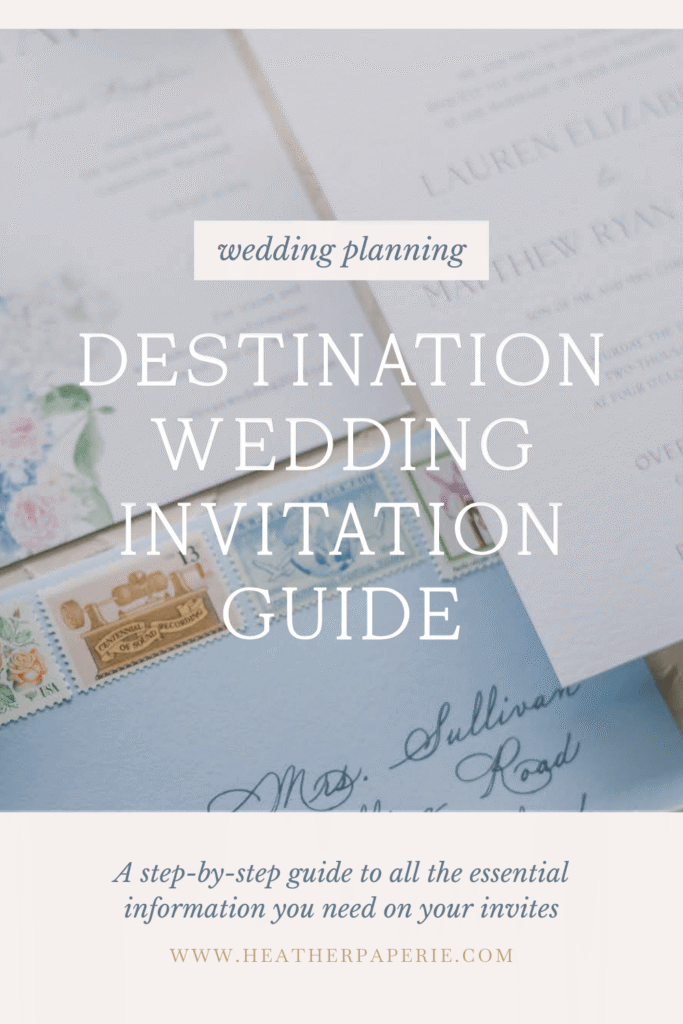
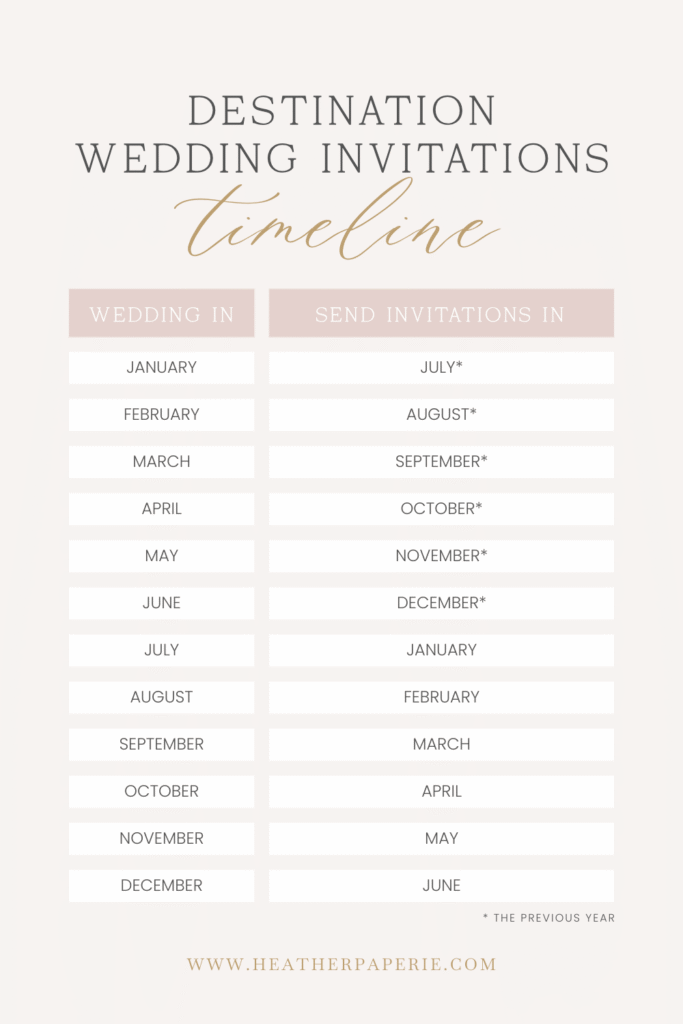
Here’s an example of how I did this for one client with three text overlay pins:
3. Give a Reason to Click: Every pin needs to lead somewhere with a clear next step. Not just “look at the pretty flat lay.” Look at the pretty flat lay AND THEN do this.
4. Be Ready for When they Click: Don’t just send couples to your homepage. Send them to a blog post with tons of internal links (links to your other blog posts) so they go down a rabbit hole. Add CTAs (calls to action) in your blogs to help guide them to what’s next.
Pinterest is a Long-Term Marketing Platform
Pinterest is about the long game. Pins can take weeks (sometimes months) to start gaining traction. Some may not take off, and some might send you steady traffic for two years. It’s wildly different from Instagram, where a post lives for a couple days and then disappears.
This is good news if you’re patient and very bad news if you need clients next Tuesday.
So don’t measure Pinterest in days. Measure it in seasons. Plant pins now for the couples who are going to be searching in six months when engagement season hits and they suddenly realize they need invitations.
That’s where you come in.
Done-for-You Pinterest for Wedding Stationers
Pinterest works for wedding stationers because your dream couples are already there, searching with intent and building vision boards months before they book. The funnel is simple in theory: get found in search, send them somewhere with a clear next step, and nurture the relationship.
In practice, it’s a lot. Keyword research, pin design, fresh content every week, descriptions that actually get found, analytics, optimization, and the patience to let it all grow for months before it really takes off.
Sound like the kind of thing you’d love to hand off to someone with plenty of experience working with wedding stationers? I’ve got you.
I offer full-service Pinterest management (and blogging!) for custom wedding stationers like you. You keep designing gorgeous invites, and I’ll make sure your dream clients are finding you while you do. Send me a message today to get started!
Love this post? You may also be interested in…


+ Show Comments
- Hide Comments
+ add a comment